Should a Tacoma Use OME EL111R or EL112R Rear Leaf Springs?
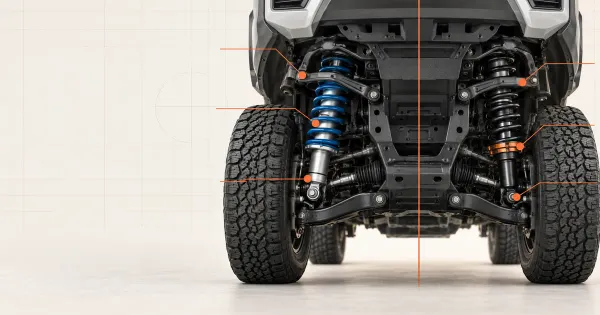
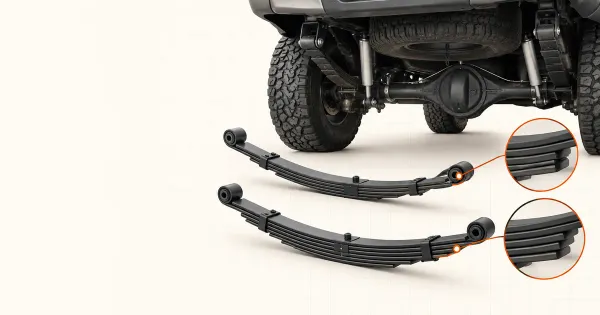
Choose OME EL111R for a medium-load Tacoma setup; choose EL112R only for a measured constant 300 kg rear load and full vehicle check.
 Does It Fit
Tacoma guide
Clear compatibility and buying guidance, built around the questions owners ask before they buy.
139 published guides · Reviewed by DoesItFit Editorial
Compatibility, protection and buying decisions.
Choose OME EL111R for a medium-load Tacoma setup; choose EL112R only for a measured constant 300 kg rear load and full vehicle check.
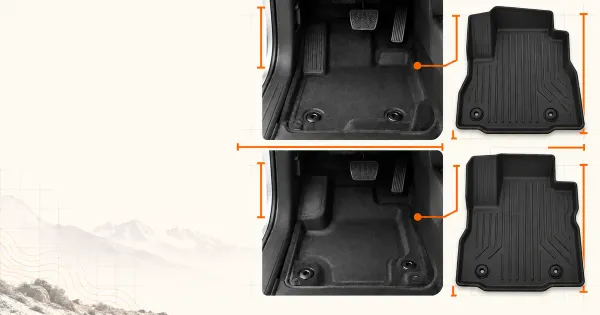
For a 2026 Tacoma, buy a bed mat or liner listed for its exact bed size. Toyota and WeatherTech both publish 2026 Tacoma bed-protection options.
A 2024 Tacoma bed cover is not automatically a 2022 fit. Buy only the exact SKU that its maker lists for your 2016–2023 Tacoma bed and rail setup.
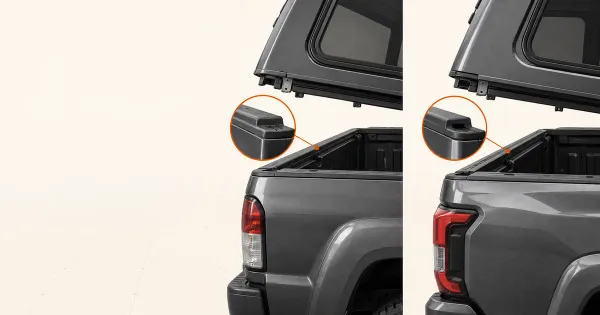
A Gladiator hard tri-fold cover is not listed as a fit for a 2016–2023 Tacoma short bed. Buy only a cover whose maker lists your exact Tacoma.
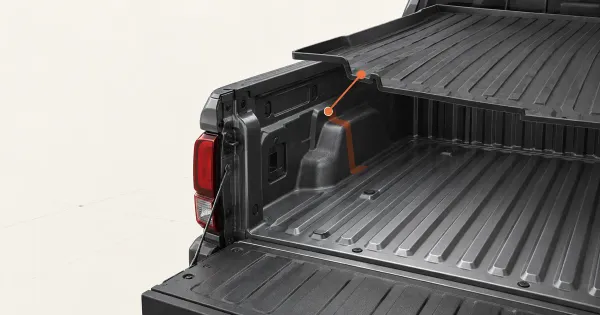
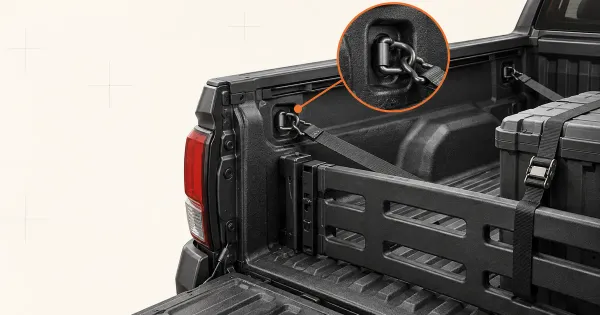
Toyota's 2024+ Tacoma bed mat is a drop-in part, not a tie-down-mounted accessory: center it, close the tailgate, and keep storage-box conflicts in mind.
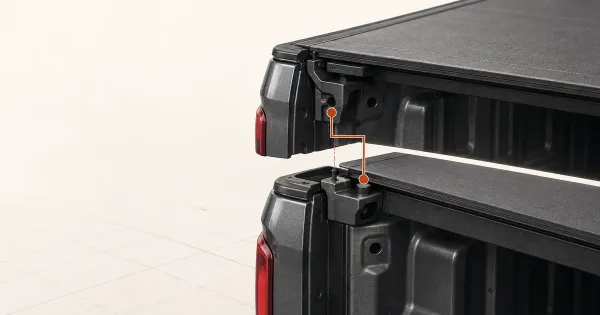
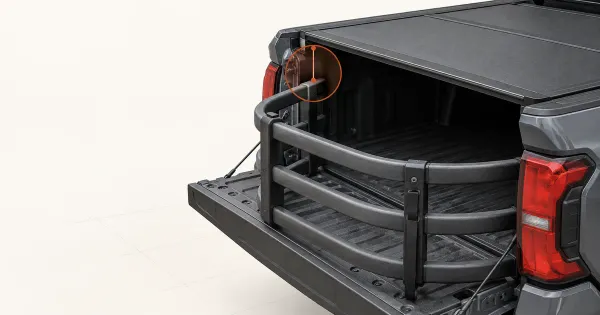
Toyota documents the 2024+ Tacoma bed extender before its genuine tonneau cover, so the two can coexist when installed in the specified order.
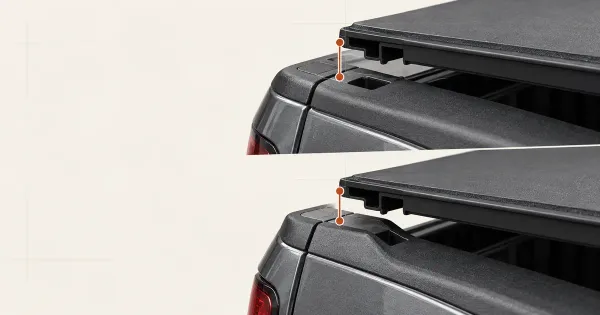
A 2025 Tacoma tonneau cover may fit a 2026 truck only when the cover maker lists the same SKU for both exact bed lengths and rail configurations.
Toyota's verified fourth-gen TRD lift listing is for hybrid TRD Sport and TRD Off-Road short beds. It does not approve PTCCY-35380 for a Tacoma Limited.
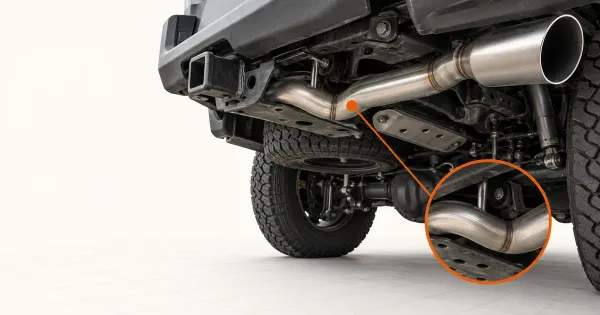
MBRP's S5340 cat-back is listed for 2016–2023 3.5L Tacomas. Confirm configuration, conditional trimming and full clearance before installation.
Do not reuse 2023 WeatherTech Tacoma liners in a 2024 truck without the manufacturer’s exact vehicle, cab and row-specific fitment approval.
Do not move a second-gen Tacoma camper shell to a third-gen truck unless its manufacturer lists the exact shell SKU, bed length and new vehicle application.
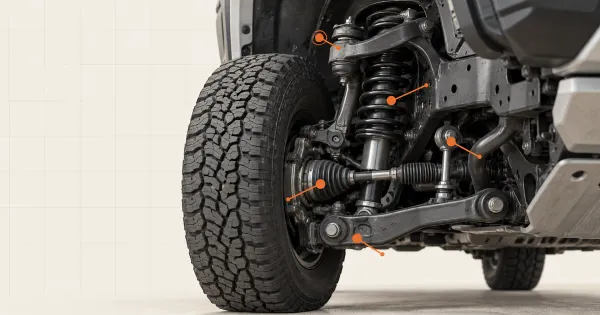
Choose a preload collar to retain compatible factory shocks and add modest height; choose Bilstein coilovers for application-specific damping and adjustment.
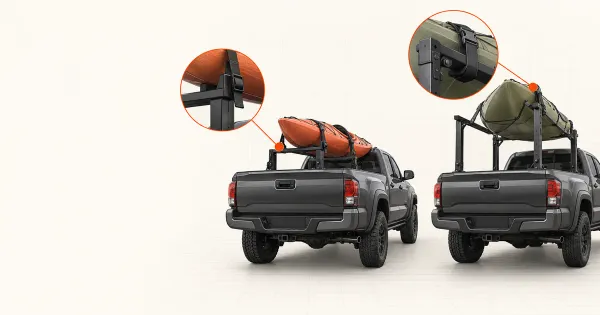
Choose a mid-height Tacoma rack for easier kayak loading and a lower profile; choose full height for cab-level support of long boats.
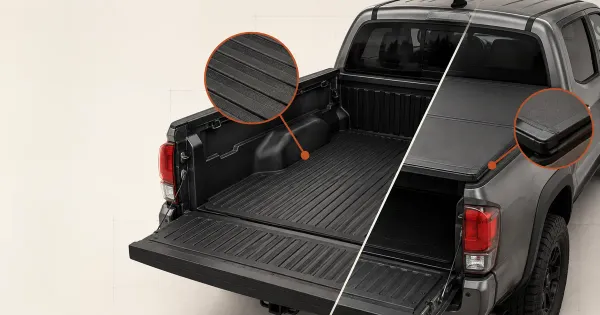
Use a bed mat for grip and floor protection, then add a divider, tiedown, or extender by cargo shape. A mat alone is not a restraint.
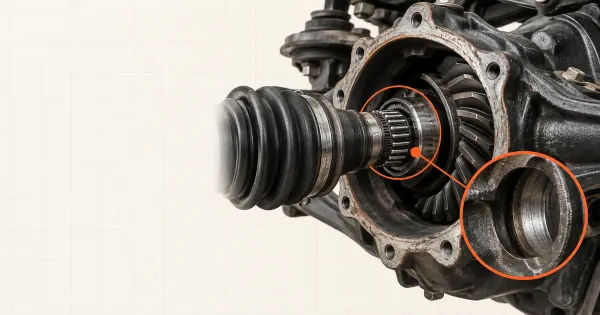
A Tacoma needle-bearing delete is a targeted front-differential choice, not a default for every 3-inch lift. Confirm axle and differential application first.
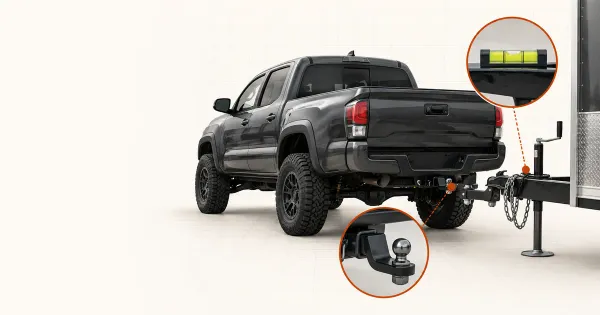
Before towing with a lifted 2019 Tacoma, confirm the trailer is level, the load stays within Toyota ratings, and rear suspension carries real tongue weight.
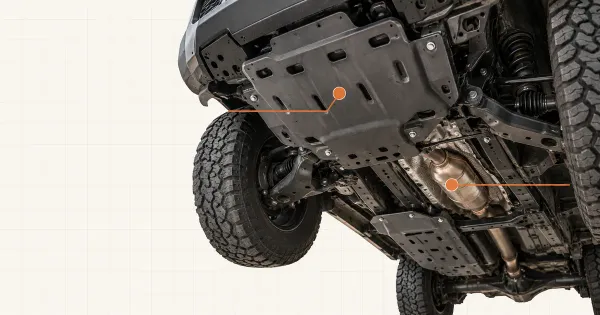
For a 2024 Tacoma TRD Off-Road, choose skid coverage around trail exposure and theft risk; confirm hybrid/gas and drivetrain fitment per product.
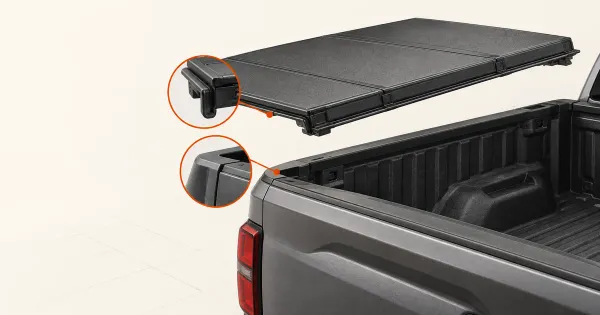
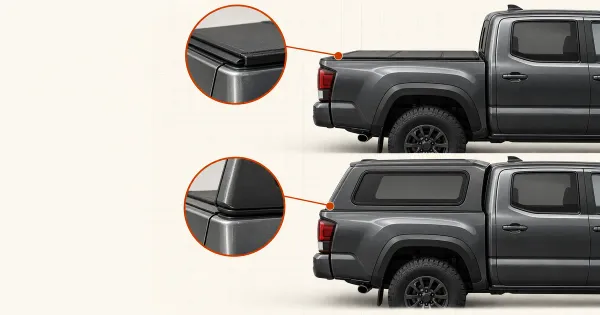
Choose a Tacoma tri-fold for low-profile removable storage; choose a camper shell when tall enclosed cargo and side access matter most.
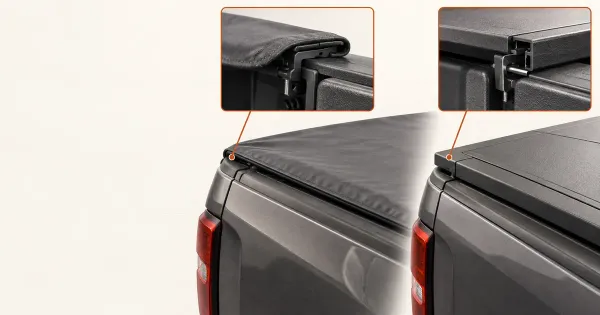
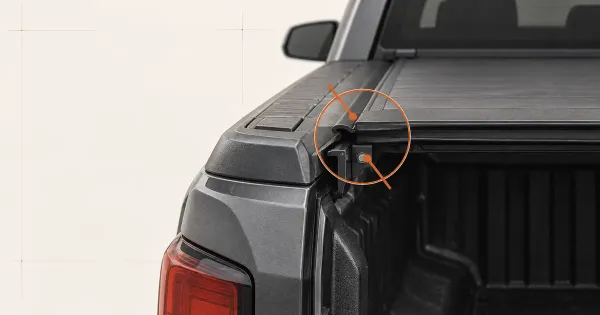
Choose folding for versatile bed access, retractable for a low profile, and load-bearing only for real top cargo. Confirm the exact Tacoma bed-length SKU.
A Tacoma bed mat protects the bed floor and reduces cargo sliding; a tonneau cover adds covered, more secure cargo storage. Many owners benefit from both.
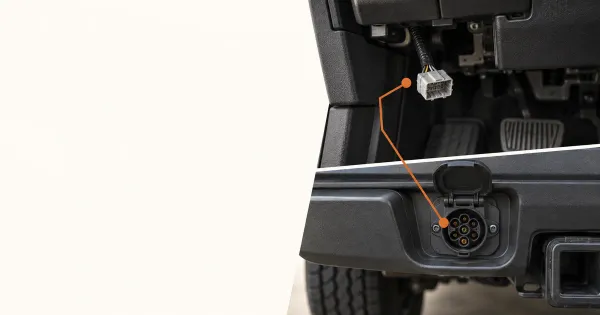
A Tacoma tow package may include a 7-pin connector without an in-cab brake controller. Confirm the year, engine and existing equipment before buying a harness.
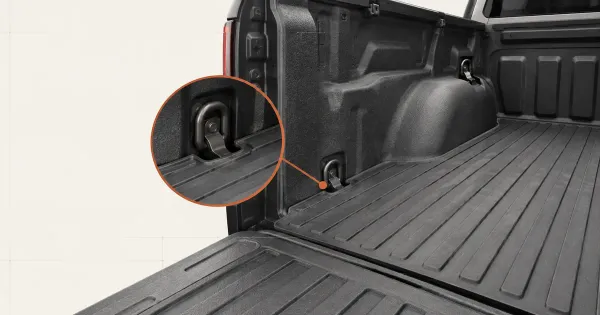
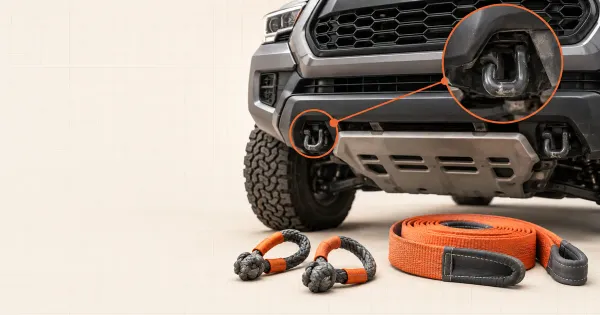
Start a Tacoma recovery kit by identifying vehicle-specific recovery points and their documented limits. Do not treat an emergency towing eyelet, a tow ball, or unverified hardware as an off-road recovery anchor.
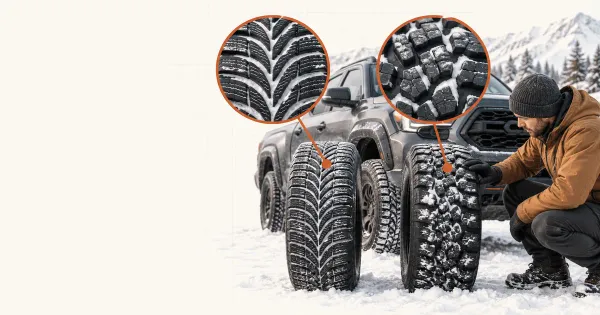
A 3PMSF all-terrain is a practical year-round compromise for occasional snow. In persistent ice, deep snow, and sustained freezing temperatures, dedicated winter tires remain the stronger choice.
For a fourth-generation Tacoma hybrid, select a tonneau by exact model year, 5- or 6-foot bed, rail use and cargo plan. A manufacturer fitment listing—not the hybrid badge—must approve the actual SKU.
These guides are designed for the questions that ordinary product filters cannot answer: whether two parts share a mounting interface, what changes at full load or steering lock, and which details can turn a likely fit into an incompatible setup.
We start with the exact vehicle and parts, use manufacturer fitment documentation and installation guidance where available, and state the conditions or unknowns that change the recommendation. A guide is a useful starting point; the AI Assistant helps apply the decision to your truck, priorities and budget.