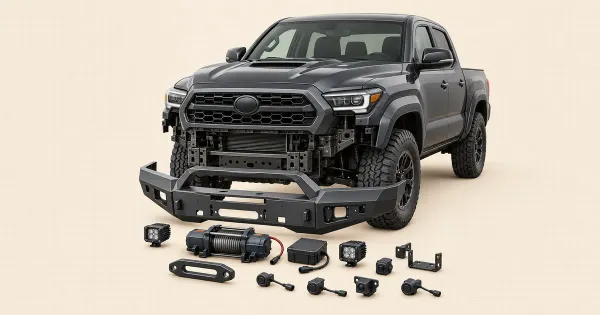
What Else Do You Need to Install a 2024+ Tacoma Front Bumper?
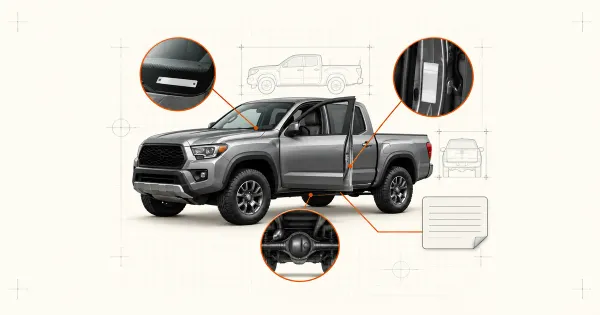
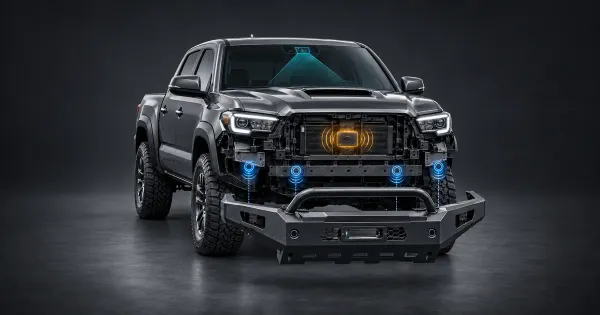
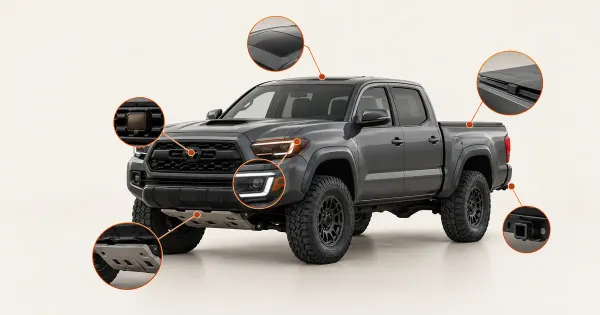
Before installing a 2024+ Tacoma bumper, verify cutting, sensors, calibration, winch and light fit, included brackets and total front weight.
 Does It Fit
Tacoma guide
Clear compatibility and buying guidance, built around the questions owners ask before they buy.
139 published guides · Reviewed by DoesItFit Editorial
Compatibility, protection and buying decisions.
Before installing a 2024+ Tacoma bumper, verify cutting, sensors, calibration, winch and light fit, included brackets and total front weight.
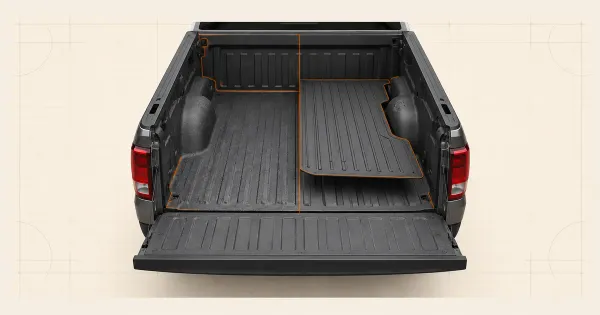
A 2024+ Tacoma composite bed needs no liner by default. Choose permanent spray-on texture or a removable exact-fit mat after checking accessories.
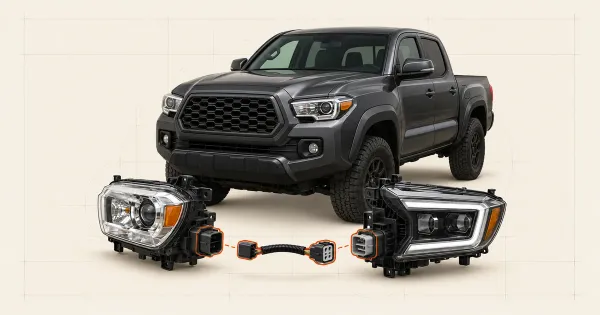
OEM 2020–2023 Tacoma LED headlights require the correct assembly pair and conversion harness. Compare that path with a documented complete aftermarket set.
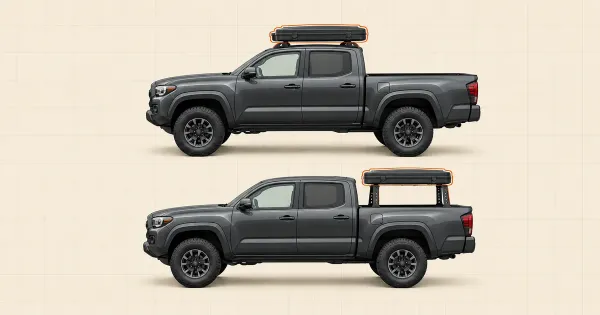
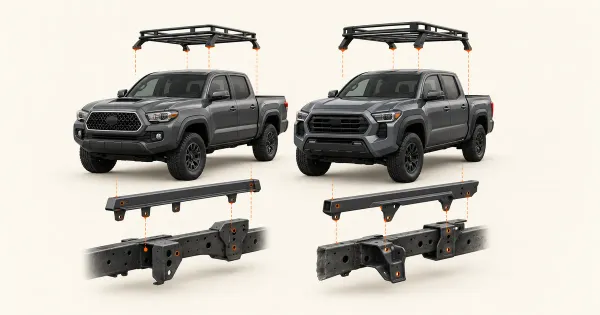
Choose roof or bed mounting by packaging, then add the complete rack-and-tent weight to Tacoma payload and verify every dynamic and static limit.
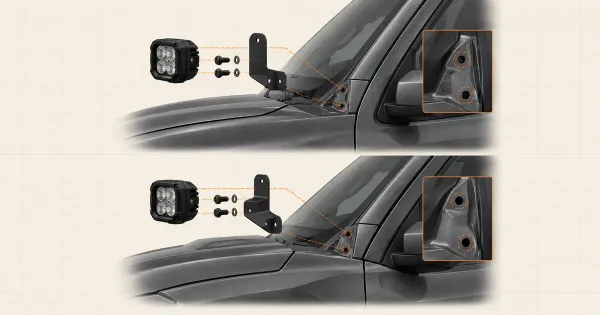
Do not transfer a 2016–23 Tacoma ditch-light bracket to a 2024+ truck unless its maker lists both. Compare current applications and checks.
Use your Tacoma VIN, Toyota vehicle record, labels and physical inspection to confirm year, cab, bed, trim, powertrain, drivetrain and factory options.
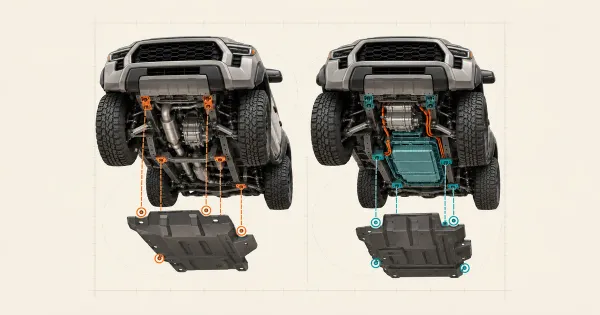
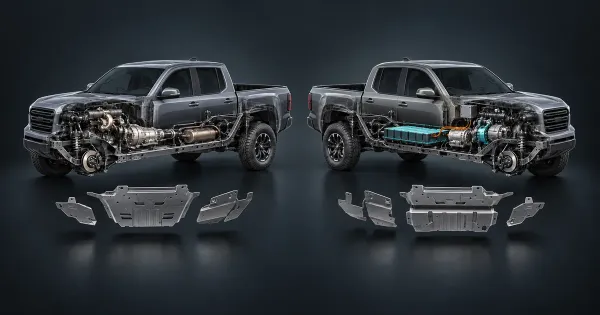
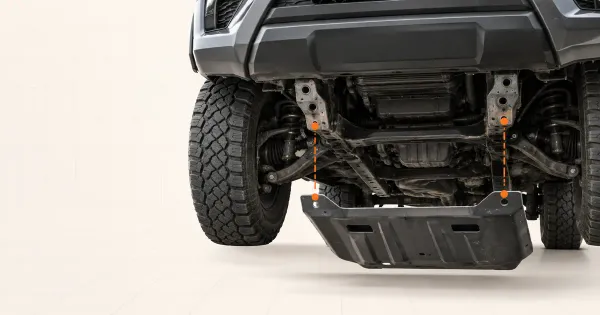
Fourth-gen Tacoma skid plates can differ by gas or hybrid powertrain, 4WD, SDM and factory armor. Compare current C4, Cali Raised and RCI applications.
Compare fourth-gen Tacoma front bumpers for TSS, camera and sensor retention, plus separate rear-bumper checks for BSM, parking sensors and the hitch.
Some Tacoma gas and hybrid parts differ. Learn which i-FORCE and i-FORCE MAX parts need an exact application and which use other fitment keys.
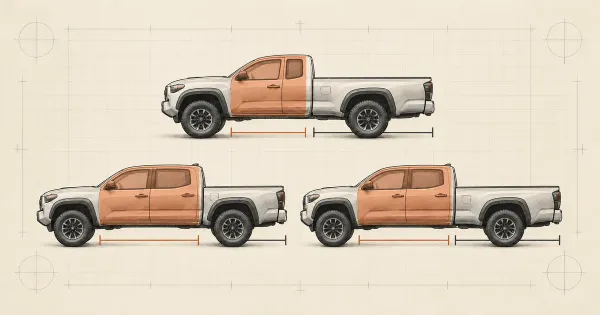
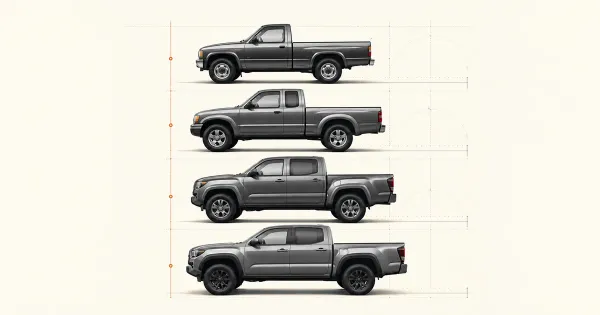
Tacoma cab and bed length are separate fitment keys. Learn which parts follow the cab, bed, frame or exact Access Cab and Double Cab configuration.
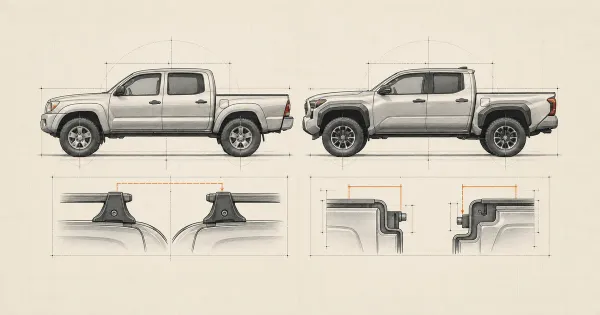
Some 2005–15 Tacoma parts fit 2016–23 trucks, but only when the exact manufacturer application covers both generations and truck configurations.
Tacoma cameras, sensors, lights, bed rails, armor, powertrain and suspension can change aftermarket fitment. Use this checklist before ordering.
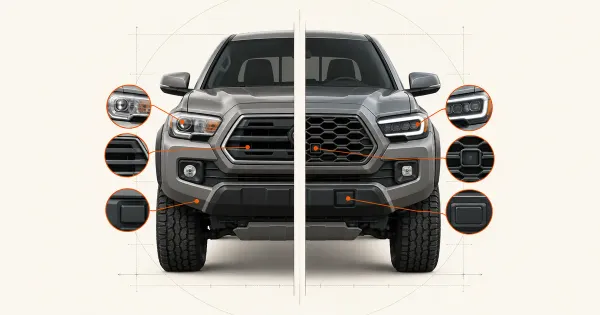
The 2020 Tacoma refresh changed grilles, lamps, cameras and cabin electronics. Learn which third-gen parts need an exact year and equipment check.
Most 2016–23 Tacoma parts lack documented fitment on a 2024+ truck. Check beds, racks, armor, suspension, wheels and electronics before reuse.
Tacoma generations run 1995.5–2004, 2005–15, 2016–23 and 2024+. See why exact year, cab, bed, trim and equipment still decide parts fitment.
Some Tacoma roll bars can work with some tonneau covers, but only when the exact bar leaves the cover rails and opening path clear. Use this fitment checklist.
Yes—but only the fourth-gen Toyota/ARB bed-rack package documented for your Tacoma and bed length. ARB’s older 2016–2023 retail rack is not the same fitment.
Choose a 2024 Tacoma bed rack by bed length, mounting interface and tonneau cover—not by Tacoma generation alone. See the exact checks before buying.
A 2024 gas Tacoma TRD Sport without its front crossmember can use Toyota's TRD skid only with RCI's named bolt-on support and a verified mount.
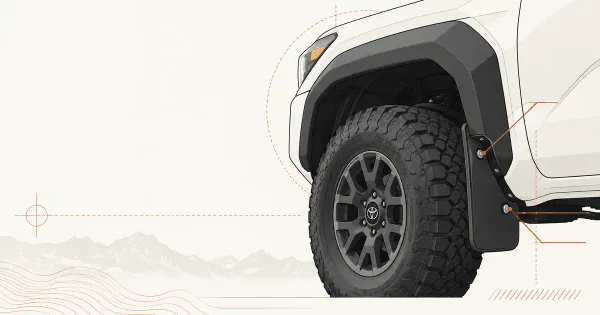
2025 Tacoma front splash guards fit only when the maker matches fender-flare status and trim; WeatherTech excludes Trailhunter and TRD Pro.
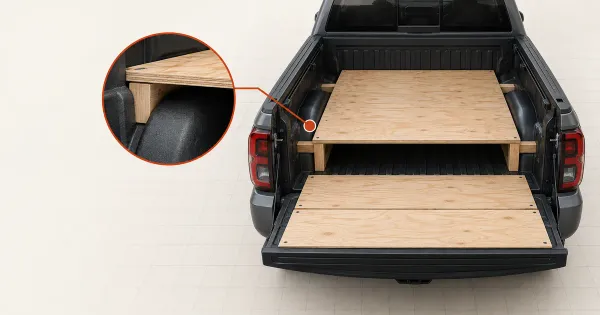
For full-width plywood or long cargo in a 5-foot Tacoma bed, use a wheel-well-height platform with a tailgate extension—not a standard tubular bed extender.
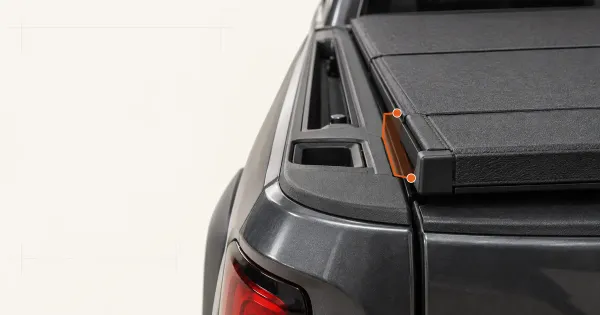
Choose a 2024–2026 Tacoma tri-fold cover by exact bed length and factory Deck Rail System; 5- and 6-foot covers use different applications.
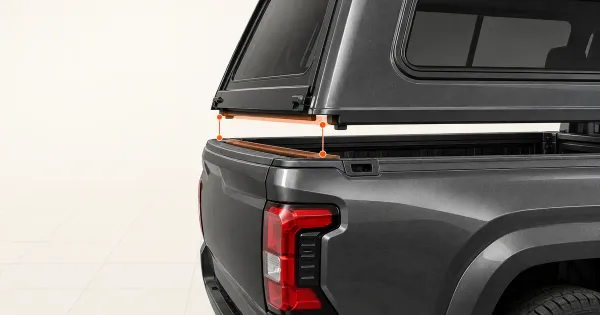
A 2025 Tacoma SR5 with a 5-foot bed needs a shell listed for the 2024–2026 Tacoma short bed; do not reuse a 2016–2023 cap or long-bed shell.
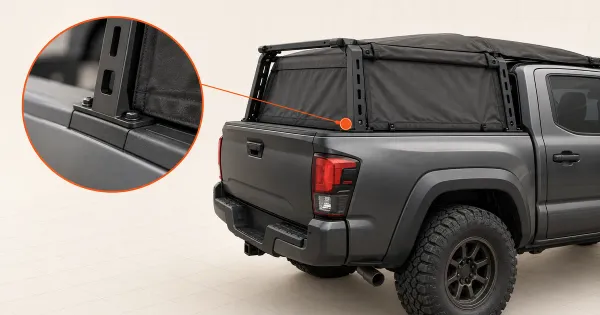
A 2016–2023 Tacoma 5-foot bed can use Softopper’s matched Exo rack and Softopper cap; do not assume a generic rack works over every soft cover.
These guides are designed for the questions that ordinary product filters cannot answer: whether two parts share a mounting interface, what changes at full load or steering lock, and which details can turn a likely fit into an incompatible setup.
We start with the exact vehicle and parts, use manufacturer fitment documentation and installation guidance where available, and state the conditions or unknowns that change the recommendation. A guide is a useful starting point; the AI Assistant helps apply the decision to your truck, priorities and budget.