Ford Maverick Alignment and Camber After a Lift or Lowering Kit
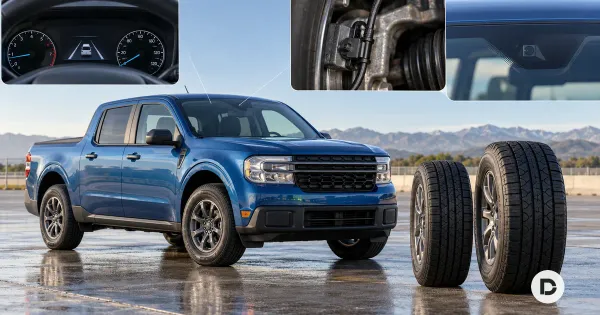
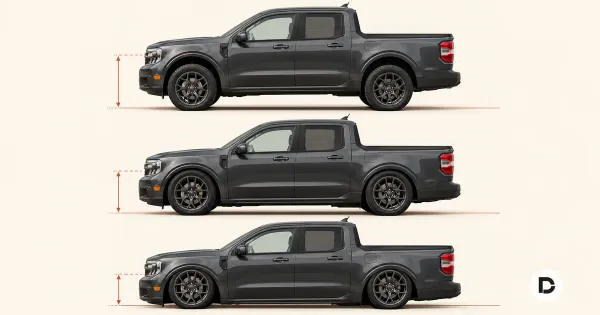
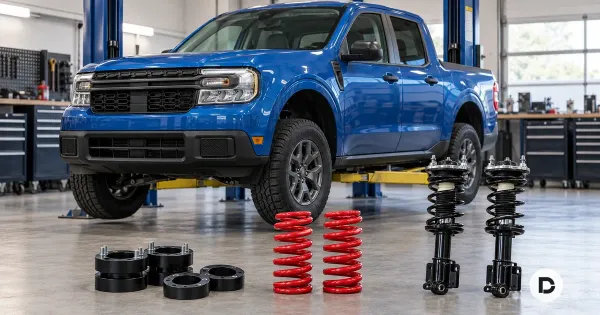
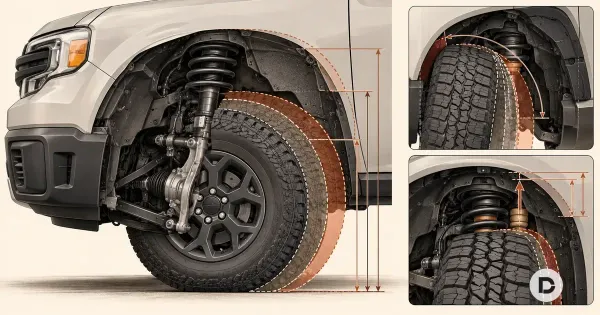
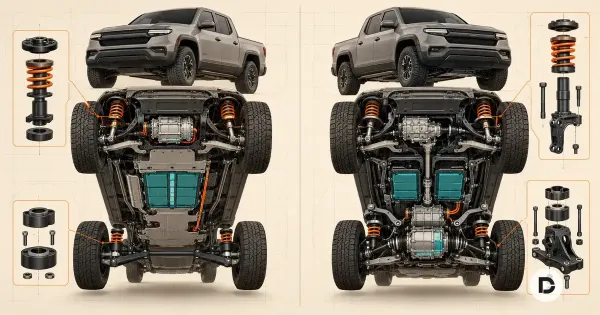
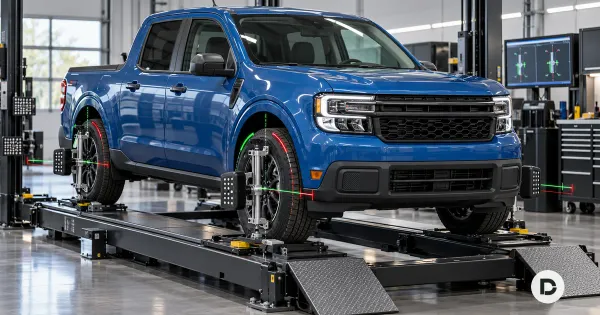
Plan Maverick alignment after changing ride height: settle suspension, inspect clearance and use exact-application camber hardware if needed.
 Does It Fit
Ford Maverick topic
Plan Maverick alignment after changing ride height: settle suspension, inspect clearance and use exact-application camber hardware if needed.
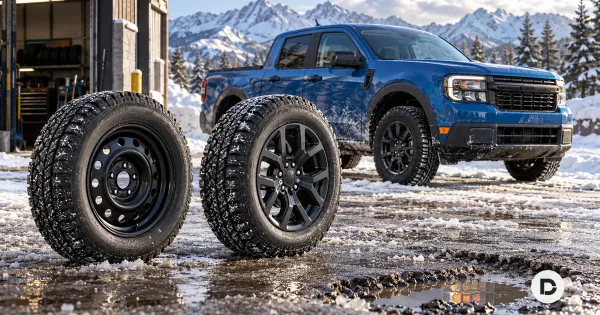
Choose steel or alloy Maverick winter wheels by brake clearance, load, offset, corrosion, weight, TPMS and repair priorities.
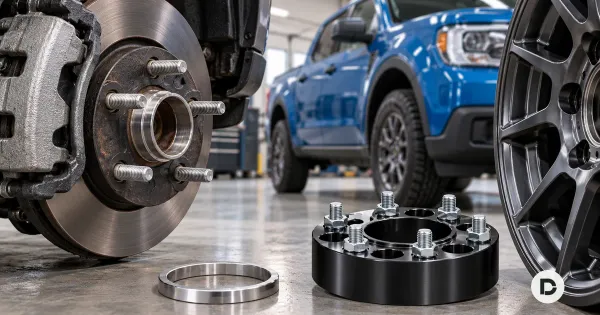
Understand why hub-centric rings and wheel spacers solve different Maverick wheel-fit problems and what measurements each requires.
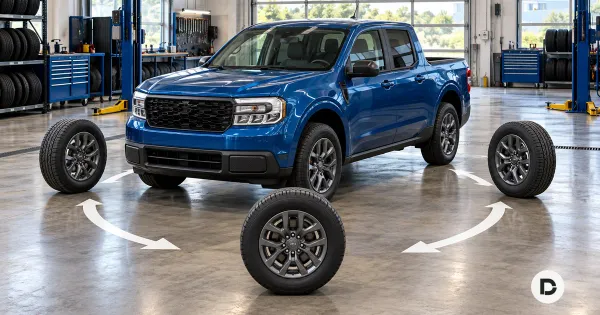
Decide whether to include a Maverick full-size spare in rotation using wheel match, TPMS, tread direction and rolling circumference.
See how changing Maverick tire diameter can affect indicated speed, mileage, gearing, ABS, stability control and driver assists.
Understand how heavier Maverick wheels and tires affect payload, acceleration, braking, ride and fuel economy before upsizing.
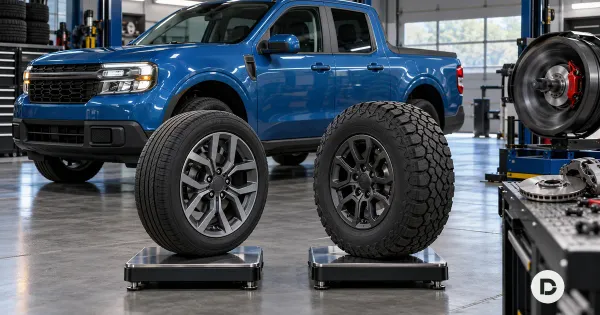
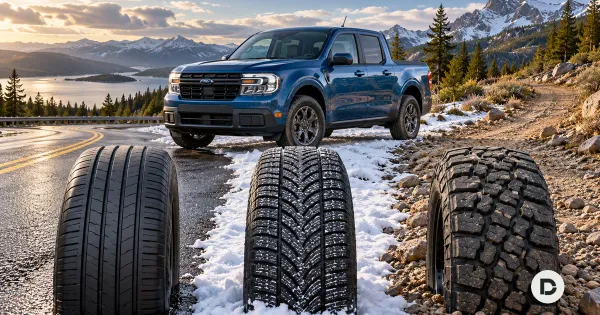
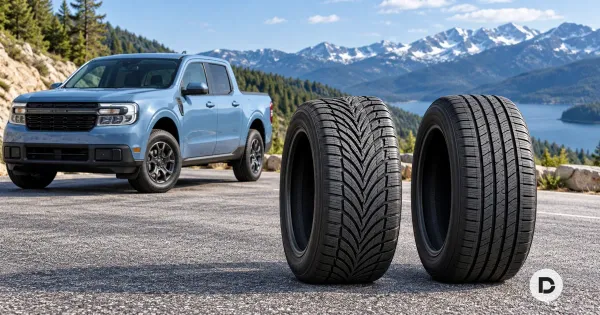
Choose Maverick tires by climate and road use: compare highway, all-weather and all-terrain traction, noise, weight and efficiency.
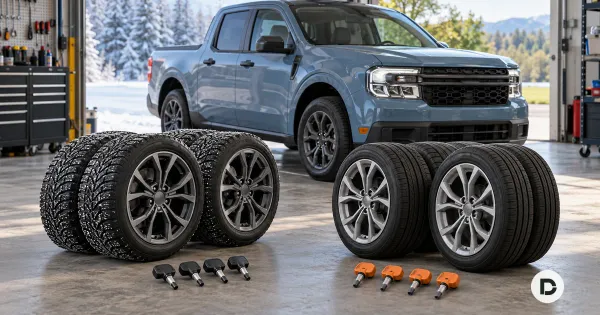
Choose TPMS sensors for Maverick seasonal wheels by model year, frequency, sensor part and activation requirements.
Choose Maverick lowering parts by FWD, AWD, Hybrid and Lobo suspension, drop, damper travel, alignment correction and payload needs.
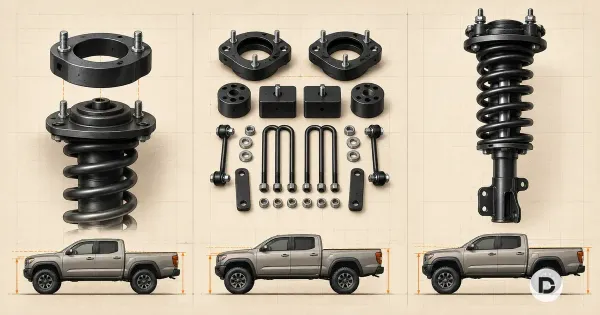
Compare Rough Country, HRG and Eibach Maverick lift systems by drivetrain, lift method, included correction hardware, alignment and intended use.
Choose Michelin CrossClimate 2 or Defender 2 for a Ford Maverick Hybrid by winter traction, tread life, road noise, size and efficiency priorities.
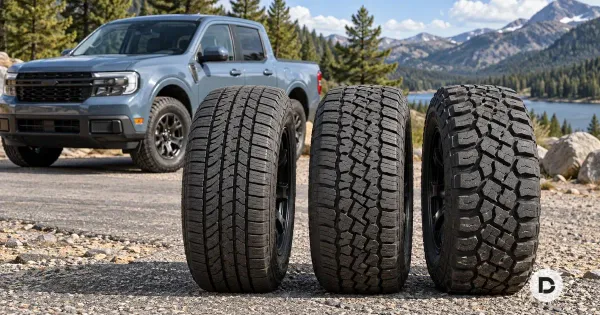
Compare Wildpeak A/T Trail, Open Country A/T III and Trail-Terrain T/A for Maverick road use, snow, gravel, weight and size availability.
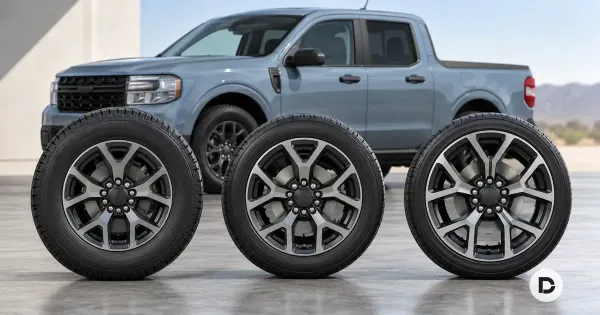
Choose 17-, 18- or 19-inch Maverick wheels by tire sidewall, ride, pothole protection, tire selection, brake clearance and trim fit.
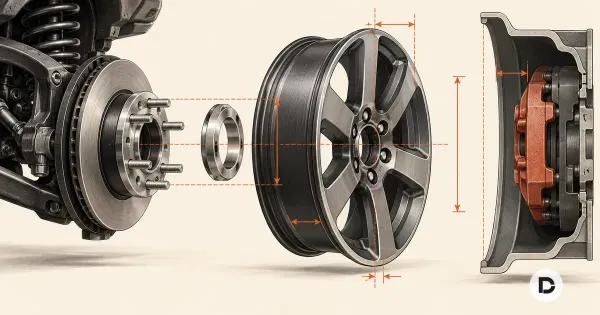
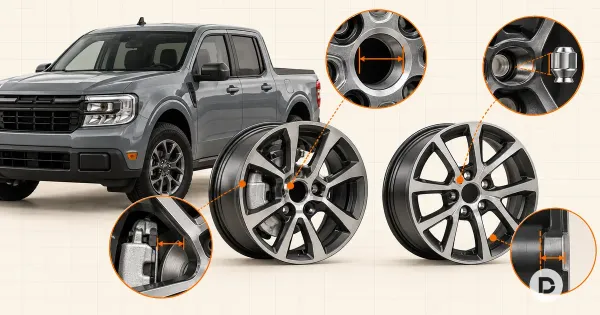
Match Maverick wheels by bolt pattern, center bore, width, offset, seat, load and brake clearance. Donor-wheel bolt pattern alone is not enough.
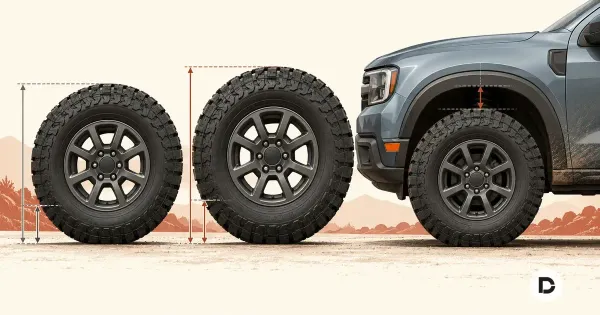
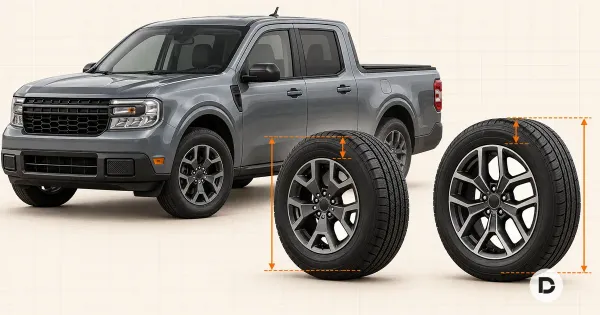
Compare 245/65R17 and 245/70R17 Maverick tires by theoretical diameter, clearance, weight, speedometer change and stock-suspension risk.
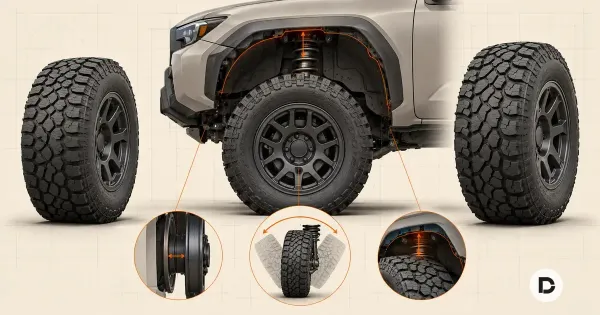
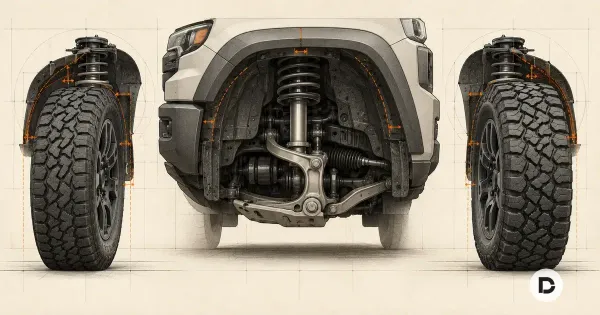
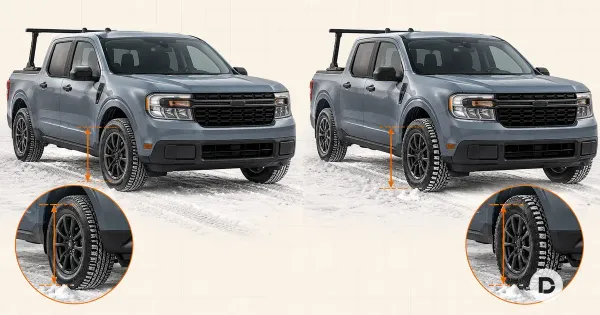
There is no universal no-rub maximum. Compare Maverick tire diameter, width, wheel offset, trim and real clearance before choosing a larger tire.
Rough Country documents 245/70R17 on a 17x8 +38 wheel with its Maverick 2-inch lift. Learn why tire model, offset and drivetrain still matter.
Maverick Hybrid lift fit depends on FWD versus 2025+ AWD. Compare HRG 1.5-inch kits and Eibach front springs without buying an EcoBoost-only kit.
Choose a Ford Maverick 1-inch level, 2-inch spacer lift or loaded lift struts by stance, clearance, ride hardware and drivetrain fit.
Compare 235/65R17 and 245/65R17 tires on a stock Ford Maverick: factory validation, diameter change, clearance risk and wheel-offset checks.
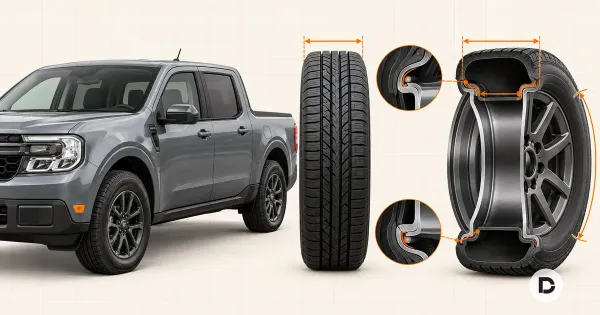
A 225/65R17 tire may allow a 7.5-inch rim, but the exact tire data sheet and the wheel's complete Maverick fitment must both agree.
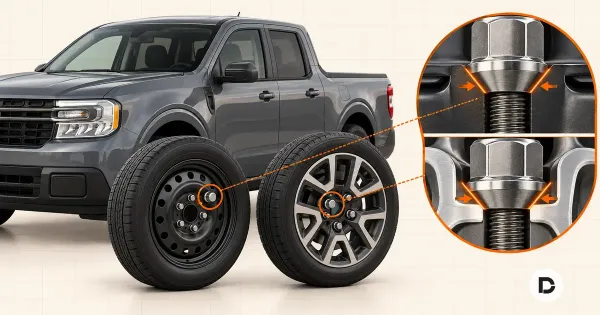
When fitting Bronco Sport wheels to a Maverick, match thread, seat shape, shank engagement and wheel material—never choose by wrench size alone.
Some Escape wheels may share basic dimensions with a Maverick, but year alone cannot prove fit. Verify every wheel specification and brake clearance.
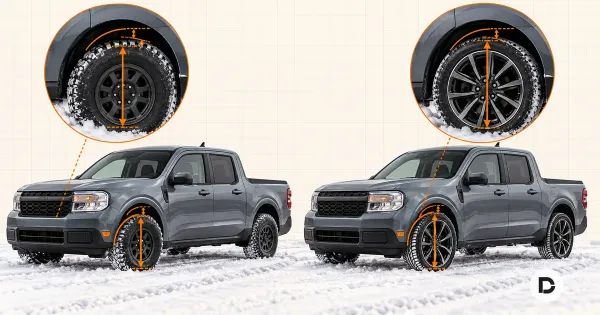
Larger tires do not automatically improve Maverick winter traction. Tire compound, 3PMSF rating, load rating and approved size matter more.
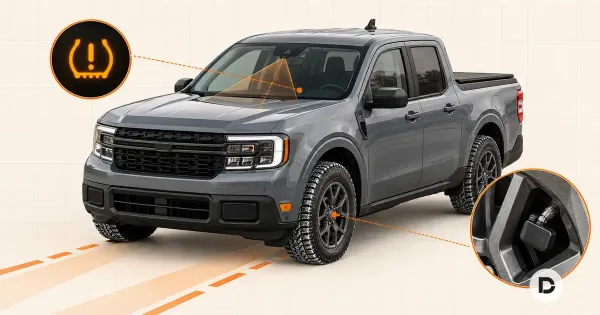
A TPMS warning can make Maverick lane centering unavailable. Install compatible sensors in seasonal wheels instead of accepting the warning.
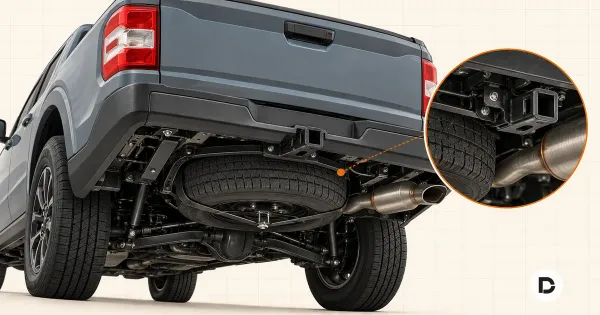
Ford's conventional spare is 215/70R17 on current packages; towing favors an identical full-size spare. Verify custom 18-inch storage.
Start with the placard size, then compare load rating, 3PMSF traction, weight and efficiency before buying all-terrain tires.
The tire diameters are close, but a donor wheel must also match the Maverick's wheel, load, brake, clearance and TPMS requirements.
The lowest-risk winter setup matches the door-placard size and vehicle load/speed requirements; wheel downsizing needs full assembly verification.
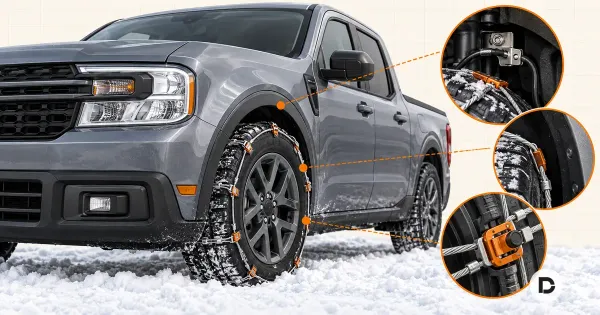
Use traction devices only on the tire sizes, axle and device class allowed by the exact owner’s manual; AWD does not make universal chains safe.